Optimize Fuel Efficiency with Dynamic Fuel Maps
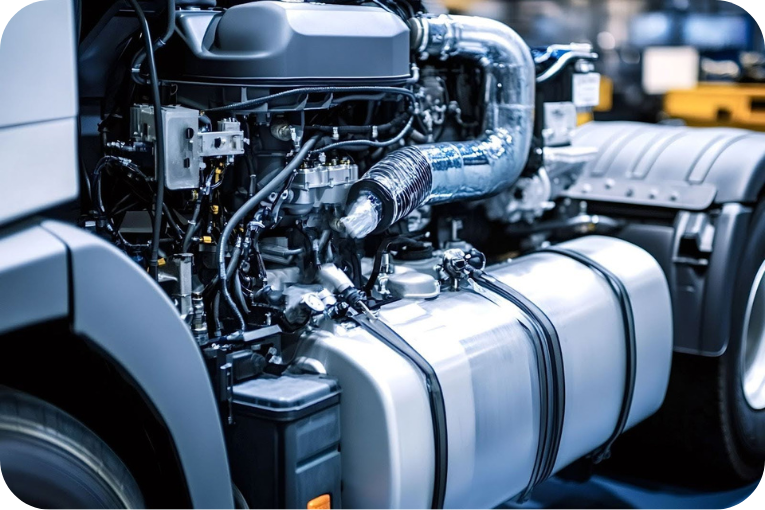
Managing fuel efficiency is essential for commercial fleets. Historically, refining engine calibration, such as optimizing fuel maps, required extensive time and specialized knowledge from powertrain engineers. However, Sonatus Automator AI transforms this process by allowing OEMs to automate vehicle functions, including engine performance profiles, through an intuitive user interface.
Challenge
Creating optimal fuel maps in traditional development workflows involves:
- Manually writing complex embedded logic.
- Long calibration cycles for different loads, terrains, and environments.
- Limited agility when deploying custom tuning across diverse truck variants.
According to data from ATRI, commercial trucking fuel can represent up to 27% of operational expenses for fleet customers, and delays in calibration updates translate directly into higher costs and reduced competitiveness.
Solution
Sonatus Automator AI is Simplifying Vehicle Function Automation
Automator AI facilitates efficient and intelligent development, like creating dynamic fuel maps, requiring no extensive ECU programming knowledge. Simply arrange a set of trigger conditions and actions, like optimizing fuel delivery when torque demand is low, and the vehicle is operating on flat terrain, and create a deployable routine.
- Translates vehicle signals into conditional logic (e.g., speed, RPM, incline).
- Creates if-then logic (e.g., reduce fuel injection rate under specific torque loads).
- Allows rapid deployment to a handful of test vehicles or fleetwide.
Conclusion
Automator AI enables engineering teams and non-specialists to define adaptive logic, such as fuel mapping, that reflects real-world operating conditions. This capability empowers OEMs and fleets to efficiently iterate, test, and implement complex if-then functions like dynamic fuel maps across vehicle platforms. Additionally, Automator can leverage natural language to make workflow creation even simpler.
Related products and solutions


Related resources
Sonatus Technology Reaches Commercial Vehicle Production Milestone
How Software-Defined Vehicle (SDV) Technology Can Empower Commercial Vehicle Manufacturers