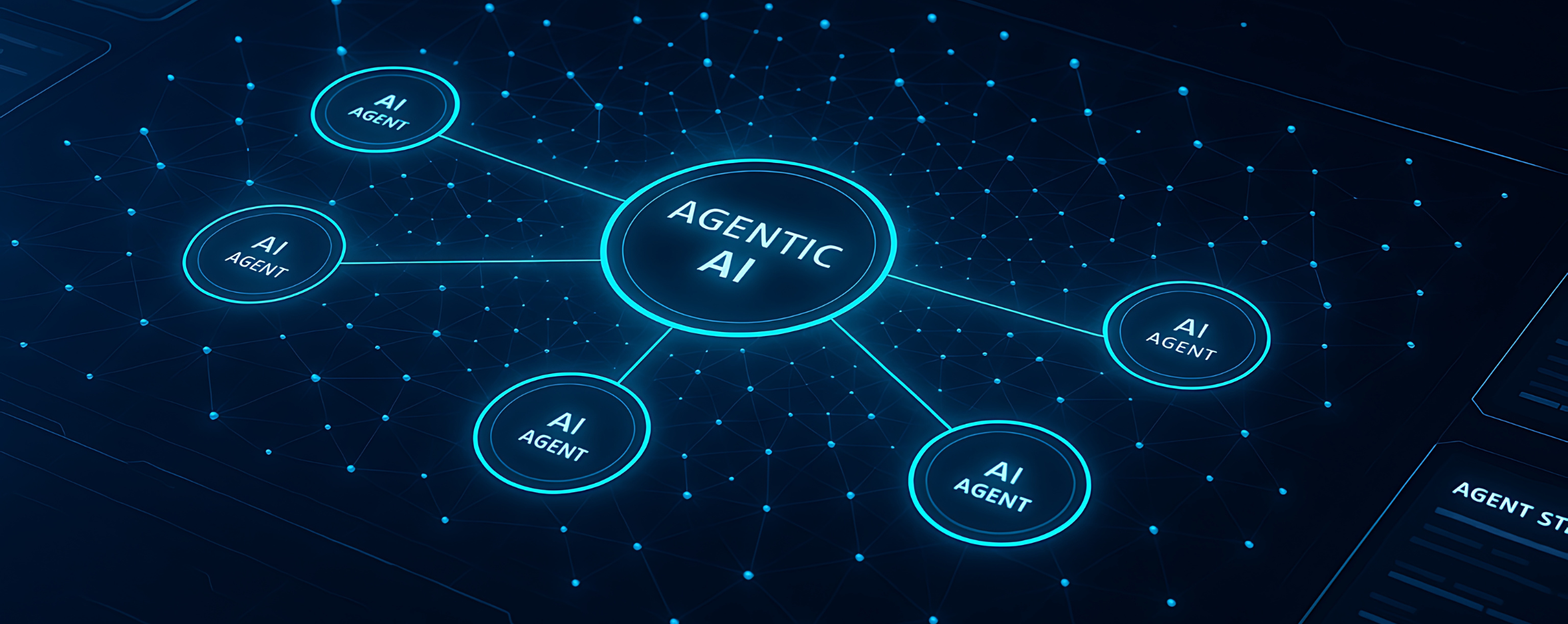
Agentic AI Architecture: From Single Agents to Production-Scale Agentic Systems
From AI models to agents: What makes a system “agentic”? AI models and LLMs have made incredible progress in recent years, with uncanny gains in natural language processing to create and understand language. But the real shift happening right now…
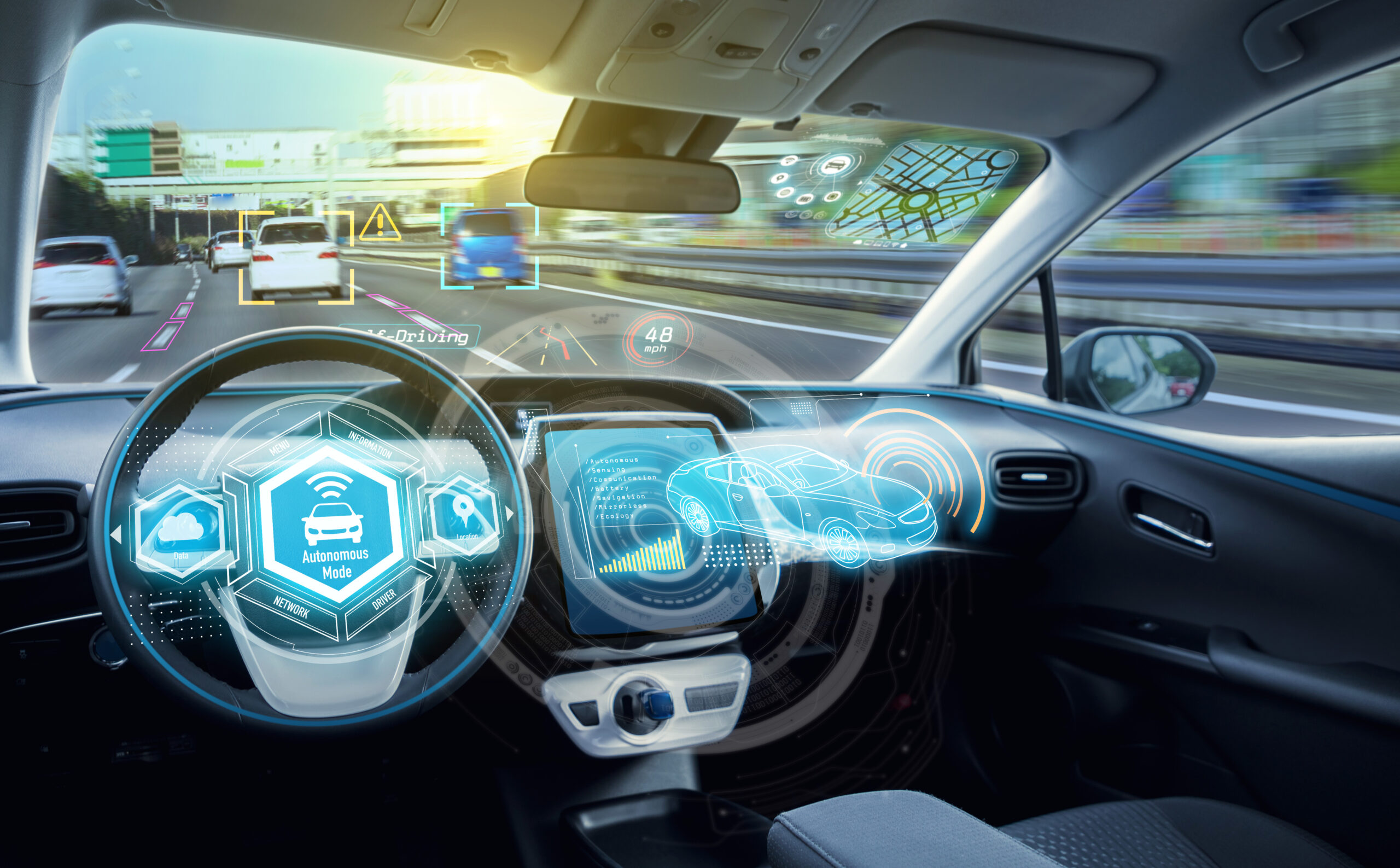
What is AI in the Automotive Industry? From Data to Continuous Improvement
The Agentic Loop: How Vehicles Benefit from the Compounding Advantages of AI Agents
The first two parts of this series made the case for the Agentic Loop as an architecture — the problem it solves, and what happens at each of its five stages, from detection through learning. This final post is less…
The Agentic Loop: From Detection to Decision-making
Part I of this series laid out the case for why the automotive industry’s data infrastructure has outpaced its intelligence infrastructure and introduced the Agentic Loop — Sonatus’s framework for closing that gap: Detect → Collect → Reason → Act…
The Agentic Loop: A New Operating System for Vehicle Intelligence
There is a moment that most automotive engineers recognize. A fault appears during a test drive — a thermal anomaly, an unexpected message on the vehicle network, a transient system behavior that shouldn't be there. The engineer notices it. The…
Vehicle AI and Diagnostics: Fixing Development Problems Before Production
In modern vehicle programs, the most expensive problems are often not the failures themselves—it’s how long it takes to manage vehicle diagnostics during development. As the industry shifts toward the AI-defined vehicle, debugging complexity is growing faster than engineering teams…