
Modern vehicles generate an overwhelming volume of diagnostic data: sensor logs, fault codes, network traces, telemetry from dozens of ECUs. As that data grows, engineering and support teams are turning to vehicle AI to help make sense of it. But there’s a problem. A single AI model’s best guess isn’t good enough when the answer needs to hold up to an engineer’s scrutiny or a customer standing at a dealership service counter.
The alternative is agentic AI: stop asking one model for one answer. Instead, why not put a room full of AI specialists on the case, have them debate the problem from different angles, and only settle on a recommendation once there is real consensus — or escalate to a human when there isn’t.
Why a single AI model isn’t enough for vehicle diagnostics
Off-the-shelf AI platforms have two structural weaknesses when it comes to vehicle diagnostics. First, they are black boxes: they produce an answer without a transparent chain of reasoning, which makes it difficult for an engineer to trust, verify, or act on the output. Second, large language models (LLM) are inherently nondeterministic; ask the same question twice and you can get two different answers. For a customer service advisor or a validation engineer, that inconsistency is disqualifying. Diagnostic conclusions need to be repeatable and defensible, not just plausible.
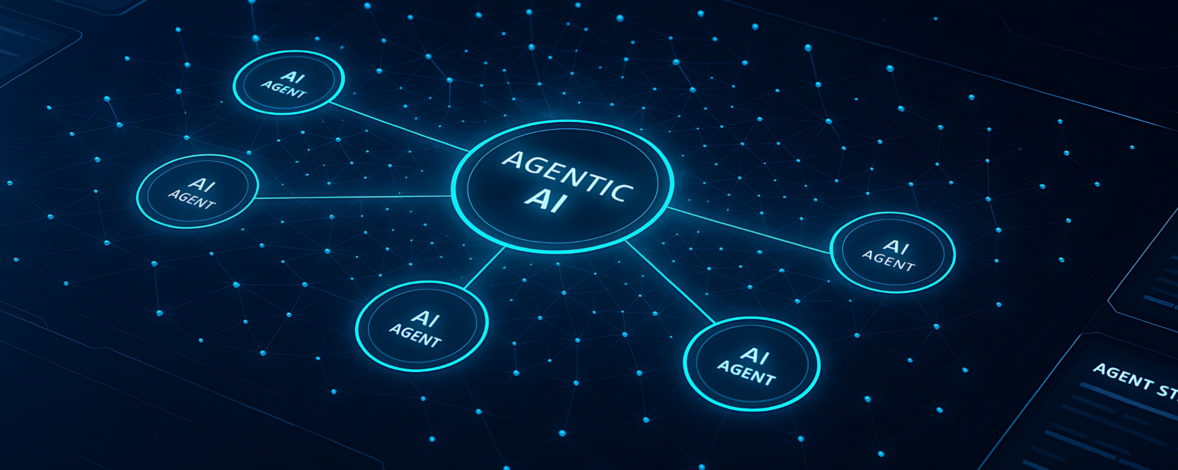
Rather than relying on one model to reason through a diagnostic problem end-to-end, this agentic AI approach distributes the work across multiple specialist agents. Each one examines the same problem through a different lens — one might focus on sensor and telemetry data, another on historical fault patterns and known issues, another on engineering documentation and service records, and yet another on the causal chain linking the symptoms to a root cause.
These agents don’t simply run in parallel and get averaged together. For all intents and purposes, they actively debate, comparing findings, challenging weak conclusions, and converging on a shared judgment. When the evidence is strong and the agents agree, the system produces a single, explainable recommendation. When the evidence is thin or the agents disagree, the system escalates the issue to a human engineer or technician rather than forcing a false consensus.
Applying this across the vehicle lifecycle
What makes this approach especially powerful is that it isn’t limited to one moment in a vehicle’s life. The same agentic architecture applies at both ends of the lifecycle:
- Pre-SOP (before production starts): During development and validation, engineering teams use this type of AI vehicle diagnostic software for root-cause analysis, correlating data across domains, reconstructing causal chains, and pulling in engineering knowledge to figure out why a prototype or test vehicle is behaving unexpectedly, before the issue ever reaches a production line.
- Post-SOP (after vehicles are on the road): Once vehicles are in customers’ hands, the same underlying approach supports dealer and field service teams, helping a service advisor go from a vague customer complaint to a validated diagnosis without needing deep expertise on every vehicle subsystem.
The stakes and data sources differ at each stage, but the core idea — specialist agents debating toward a defensible answer — carries through the whole lifecycle.
A Fastlane™ Platform example
The Sonatus Fastlane Platform is a working illustration of this in practice. Fastlane™ Insight, the platform’s diagnostics layer, vehicle AI agents correlates vehicle data, fault logs, engineering documentation, and historical investigation records into a single intelligence layer, then applies vehicle AI agents to reason across that context and reconstruct root causes.
Picture an intermittent battery-management fault reported across a handful of vehicles in the field. One agent might correlate the fault against telemetry and prior fleet-wide patterns to check whether this looks like a known issue. Another might cross-reference the fault code against engineering documentation and ODX service data to identify plausible root causes. A third might reconstruct the causal chain from sensor reading leading up to the fault. Fastlane Insight’s closed-loop orchestration lets these lines of investigation run together, automatically requesting more vehicle data if the evidence is inconclusive, and routing the case to a human engineer through a predefined workflow when the agents can’t converge on a confident answer.
This is the same pattern that is already showing results: A global OEM is exploring Sonatus’s AI-enabled platform to cut root-cause investigation time from two weeks to two days by moving from manual, on-site validation to a remote, AI-assisted workflow.
The bigger shift
The underlying tech here is more than clever prompting. It’s a change in what teams should expect from AI vehicle diagnostic software. Rather than trusting a single model’s best guess, teams get a system built to reach genuine consensus among specialized perspectives, to recognize when it doesn’t have one and hand the problem over to a human. That combination of explainability, stability, and appropriate escalation is what turns AI diagnostics from an interesting demo into something engineers and technicians can rely on.