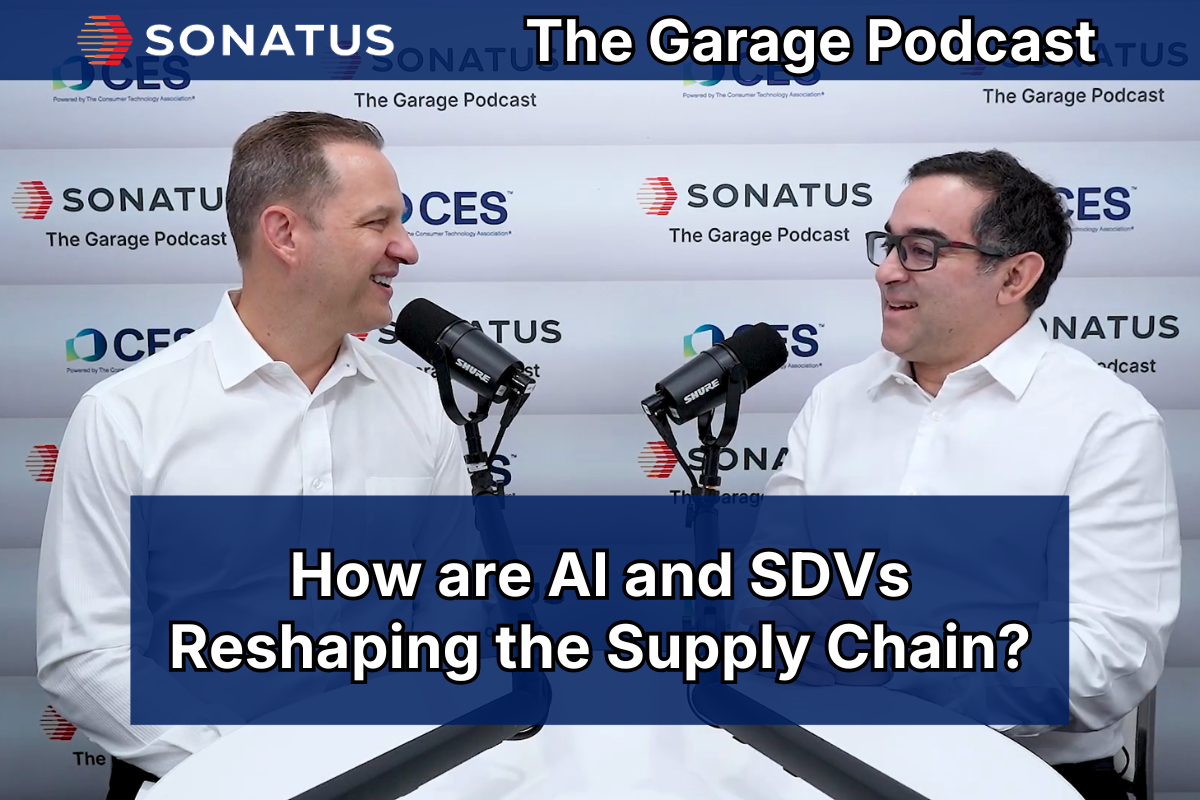
The Garage Podcast: Staffel 4, Folge 9
Wie können gewerbliche Fuhrparks von „ AI “ profitieren?
mit Lawrence Bader (ehemaliger UPS-Mitarbeiter)
In einer Live-Aufzeichnung von der ACT Expo 2026 interviewt Moderator John Heinlein den ehemaligen UPS-Flottenmanager Lawrence Bader zur Entwicklung der Flottentechnologie, darunter schlüssellose Systeme, auf dem „ AI “ basierende vorausschauende Instandhaltung und autonomer Lkw-Verkehr. Bader betont, dass Flotten, um wettbewerbsfähig zu bleiben, klein anfangen, schnell iterieren und Technologien in allen operativen Abteilungen integrieren müssen.
Nur-Audio-Version anhören:
Transkript der Folge | Wie können gewerbliche Fuhrparks von „ AI “ profitieren?
Inhaltsverzeichnis
0:00 Flotten haben unterschiedliche Aufgaben und Anforderungen
Heute bei „ The Garage “ senden wir live von der ACT Expo 2026 in Las Vegas, Nevada. Auf der Ausstellungsfläche ist eine unglaubliche Vielfalt an Nutzfahrzeugen aller Art zu sehen, von schweren Sattelzugmaschinen über Anhänger und Busse bis hin zu zahlreichen elektrischen Ladevorrichtungen und Spezialfahrzeugen aller Art. Dabei wird uns einmal mehr bewusst, wie wichtig es ist, dass Technologie den Fuhrparks und ihren unterschiedlichen Einsatzzwecken zugutekommt.
Ob es nun um vorbeugende Wartung, die Gewährleistung von Betriebsbereitschaft, Zuverlässigkeit und Sicherheit geht oder um autonomes Fahren und optimierte Betriebsabläufe – Technologie spielt bei Nutzfahrzeugen eine wichtige Rolle, und das wird uns allmählich bewusst. Viele der hier gezeigten Exponate befassen sich damit, wie Fuhrparks Technologie auf neue Weise einsetzen, um eine Vielzahl von Problemen zu lösen.
Um dieses Thema näher zu beleuchten, haben wir heute einen besonderen Gast bei uns. Unser Gast ist Lawrence Bader, der 32 Jahre lang bei UPS für den Betrieb und die Leitung des Fuhrparks verantwortlich war und nun als unabhängiger Berater tätig ist. Im heutigen Interview wird Lawrence uns einen Einblick in eine Vielzahl von Problemen geben, mit denen er konfrontiert war und die Fuhrparks lösen müssen, und uns erläutern, wie Technologie seiner Ansicht nach viele dieser Probleme heute und in Zukunft lösen kann. Es ist ein sehr interessantes Gespräch zum Thema Nutzfahrzeuge.
Los geht’s.
1:35 Vorstellung von Lawrence Bader
Willkommen bei „ The Garage “. Ich bin John Heinlein, Chief Marketing Officer bei Sonatus. Wir senden live von der ACT Expo in Las Vegas 2026. Ich freue mich riesig, Lawrence Bader in unserem Podcast begrüßen zu dürfen.
Lawrence, willkommen bei „ The Garage “. Danke, John. Das weiß ich zu schätzen. Wir bitten unsere Gäste immer, uns zunächst etwas über sich selbst und ihren Werdegang zu erzählen.
Bitte stell dich vor. Erzähl uns etwas über dich.
Klar. Also, mein Name ist Lawrence Bader. Ich bin vor kurzem nach zweiunddreißig Jahren bei UPS in den Ruhestand gegangen.
Zweiunddreißig Jahre.
Das ist toll.
Zweiunddreißig Jahre sind eine lange Zeit, in der ich die Gelegenheit hatte, sogenannte globale Flottensysteme zu leiten.
Und ich habe meine gesamte berufliche Laufbahn eigentlich im IT-Bereich verbracht, wenn man so will. Aber die Arbeit bei UPS hat mir viele Möglichkeiten geboten, im Luftfahrtbereich und in den automatisierten Umschlagzentren tätig zu sein. Und im letzten Jahrzehnt meiner Karriere habe ich mich dann tatsächlich auf das konzentriert, was wir als Bodentransport bezeichnen.
Und das war im Grunde genommen der Fuhrpark mit etwa 275.000 Fahrzeugen.
Das ist eine Menge, das ist eine Menge Ausrüstung.
Genau solche Einblicke suchen wir. Wir möchten mehr über dich erfahren und wissen, was du aus dieser Zeit gelernt hast. Aber fang zunächst damit an, uns eine lustige Anekdote über dich zu erzählen, so wie wir es in unserem Podcast immer machen.
Na ja, weißt du, John, eigentlich macht es mir großen Spaß, Autos zu bauen und Rennen zu fahren. Damit habe ich erst relativ spät im Leben angefangen. Tatsächlich konnte ich bis zu meinem fünfundvierzigsten Lebensjahr nicht einmal einen Satz Bremsen wechseln.
Aber weißt du, ich war so lange im IT-Bereich tätig, dass man bei der Entwicklung von Software nicht wirklich damit in Berührung kommt. Man spürt es nicht und sammelt auch keine wirklich intensive Erfahrung damit. Also habe ich gelernt, einen Schraubenschlüssel zu bedienen und diese Kraft sozusagen auf die Straße zu bringen, um einfach nur das Rennen mit Rennwagen zu genießen.
Das ist wirklich fantastisch. Ich liebe diese Disziplin. Ich muss zugeben, dass ich mich damit nicht besonders gut auskenne, aber ich baue gerne Dinge mit meinen Händen. Ich mache ein bisschen Tischlerei. Ich baue gerne zu Hause Sachen.
Also, ja.
Ich glaube, das, was man aufbaut, spiegelt einen selbst wider.
Stimmt’s? Ja. Man konnte es regelrecht vor Augen sehen. Ich finde das großartig. Erzähl uns doch jetzt mal, was du derzeit machst und wie es um dein Unternehmen steht.
3:22 Übergang zur Beratung und Einführung neuer Technologien
Ja. Also, weißt du, nach zweiunddreißig Jahren in der Branche wollte ich sie eigentlich noch nicht so schnell verlassen. Ich habe viele Freunde gefunden, und hier bieten sich einem viele Möglichkeiten. Im Grunde bin ich also nur ein unabhängiger Berater, der Flotten gerne dabei unterstützt, neue Technologien einzuführen.
Ich hatte den Luxus, während meiner Zeit bei UPS wirklich viele Produkte ausprobieren zu können. Und wenn ich diese Erfahrungen an andere Fuhrparks weitergeben kann, die nicht unbedingt über den Hintergrund oder die Zeit verfügen, sich intensiv mit diesen Dingen zu beschäftigen, dann ist das für mich einfach eine gute Sache. Aber ich helfe auch gerne Anbietern und Lösungsanbietern, die Produkte entwickeln, und unterstütze sie dabei, herauszufinden, was sich wirklich durchsetzen wird und was sich an Fuhrparks verkaufen lässt. Aber eigentlich führen für mich alle Wege in Richtung autonomer Fahrzeuge.
Wissen Sie, ich versuche, die Einführung autonomer Betriebsabläufe voranzutreiben.
Fantastisch. Wenn jemand dich finden möchte, wie heißt deine Firma?
Fortschrittliche Verkehrstechnologie. Oh, toll. Und du kannst mich einfach auf LinkedIn finden.
Okay. Nun, wir fügen gerne auch einen Link in die Shownotes ein, damit die Leute die Möglichkeit haben,
dich finden.
4:16 Erkenntnisse aus der UPS-Erfahrung
Angesichts Ihrer langjährigen Karriere bei UPS frage ich mich, welche Erkenntnisse Sie dort gewonnen haben, die sich auf heutige Fuhrparks übertragen lassen und aus denen andere lernen können?
Weißt du, ich glaube, die wichtigste Erkenntnis, die ich im Laufe meiner gesamten Karriere gewonnen habe, ist, dass man einfach loslegen muss. Verstehst du? Man muss wirklich etwas bewirken, indem man einfach anfängt. Oftmals analysieren wir Lösungen viel zu sehr.
Wir analysieren oft zu sehr, wo wir hinwollen und was wir erreichen wollen. Aber fang einfach an. Fang klein an, gewinne etwas Selbstvertrauen, und dann kannst du auf diesen Erfolgen, wenn man so will, aufbauen. Das ist so ähnlich wie die iterative Entwicklung, die wir in der IT-Branche häufig praktiziert haben.
Und wenn du nicht anfängst, wirst du es nie schaffen.
4:54 Innovative Technologielösungen im Flottenmanagement
Können Sie uns ein Beispiel nennen, wie Menschen Ihrer Meinung nach Technologie auf eine neue und interessante Art und Weise nutzen?
Ja. Tatsächlich hatte ich kurz vor meinem Ausscheiden bei UPS die Gelegenheit, bei der Einführung eines Systems mitzuwirken, das wir „schlüssellose Zugmaschine“ nannten. Dabei haben wir die Schlüssel physisch aus dem Betriebsablauf einer Zugmaschine entfernt.
Keine Schlüssel?
Keine Schlüssel. Ja. Wir haben tatsächlich einen verschlüsselten digitalen Schlüssel auf dem Gerät des Fahrers eingerichtet, wodurch wir zum richtigen Zeitpunkt dem richtigen Fahrer den richtigen Schlüssel für das richtige Fahrzeug ausstellen konnten. Damit haben wir das Konzept, Schlüssel verwalten zu müssen oder die Schlüsseltafel dort oben anzubringen oder Schlüssel in Kaffeedosen aufzubewahren, abgeschafft.
Und das hat uns in vielerlei Hinsicht geholfen. Ein Punkt davon war allein schon die Zeit, die die Fahrer aufwenden mussten. Wenn ein Fahrer bei der Anlage ankam, ging er zunächst zum Wachhäuschen und musste dann noch zum Dispositionsbüro laufen. Dort wurde ihm sein Sattelzug zugewiesen.
Und manchmal wollte der Fahrer nicht unbedingt genau den Traktor, der für ihn vorgesehen war. Also hat er vielleicht den Mitarbeiter am Schalter überredet, ihm für diesen Tag einen anderen Traktor zu geben. Das hat einfach alles durcheinandergebracht, oder? Hier muss der Fahrer nun nicht mehr durch das Dispositionsbüro gehen.
Es ist automatisch auf ihrem Gerät installiert. Sie gehen durch die Anlage. Sobald sie in Reichweite sind, können sie die Türen sofort öffnen. Der Vorlaufzyklus beginnt, und schon geht es los.
Und genau wie das Wartungspersonal konnten sie oft die Schlüssel nicht finden, wenn sie die Fahrzeuge in die Werkstatt bringen mussten. Jetzt befinden sich die Schlüssel jedoch direkt auf dem Gerät des Mechanikers, sodass dieser das Fahrzeug entriegeln, es in die Werkstatt fahren und mit der Arbeit beginnen kann, ohne zum Dispositionsbüro gehen zu müssen.
Ich bin mir sicher, dass Sie damit Schlüssel vergeben und Rechte später widerrufen können, wenn sie nicht mehr benötigt werden.
Ja. Und das bedeutet, dass es sich tatsächlich um eine interessante Technologie handelt, die in vielen verschiedenen Bereichen zum Einsatz kommen könnte. Zum Beispiel auf dem Vermietungs- oder Leasingmarkt. Aber ich denke, für jeden Fuhrpark, der ein Problem mit der Schlüsselverwaltung hat, ist das einfach eine interessante Lösung, die es da draußen gibt. Oder? Nur eine von vielen.
Ja. Es geht einfach darum, Technologie auf eine neue Art und Weise zu nutzen.
Auf eine ganz neue Art und Weise.
Wir stellen fest – und ich glaube, wenn wir mit Kunden sprechen, zeigt sich oft, dass das Perfekte der Feind des Guten ist. Absolut. Und die Leute versuchen, die perfekte Lösung zu finden, und am Ende haben sie gar nichts.
Da wirst du niemals hinkommen.
Es ist viel besser, mit einer Lösung zu beginnen, die funktioniert und solide ist, und diese dann weiter auszubauen. Eine der Stärken unserer Lösungen ist die Möglichkeit, sie anzupassen und weiterzuentwickeln. Vielleicht fangen Sie damit für eine bestimmte Anwendung an und stellen dann fest: „Ach ja, ich habe da noch ein anderes Problem.“ Aber Sie können sich daran anpassen und die Lösung entsprechend erweitern.
Genau. Und ich glaube, das stellen wir heute alle fest – ganz sicher bei „ AI “. Weißt du, allein das Sammeln der Daten hat uns alle unglaublich viel Zeit gekostet, bis wir die Daten endlich in den Händen hatten. Aber wir wussten nicht, was wir damit anfangen sollten. Stimmt’s? Wir konnten keine Maßnahmen daraus ableiten. Jetzt können wir also auf der Grundlage all der Daten, die wir über all die Jahre gesammelt haben, iterieren.
7:25 Die Rolle von „ AI “ im Flottenbetrieb
Das ist ein perfekter Übergang, denn „ AI “ ist für uns ein so wichtiges Thema – ein Thema, das wir jetzt auch im Podcast behandeln. Was sind Ihrer Meinung nach derzeit die entscheidenden Faktoren im Bereich „ AI “, wo sehen Sie Chancen und wo sollten die Menschen Ihrer Meinung nach in Zukunft in „ AI “ investieren? Denn ich glaube, wenn die Leute an „ AI “ denken, denken sie sofort an autonome Fahrzeuge, was zwar wichtig ist. Ich glaube, sie denken an Sprachassistenten und so weiter. Aber für mich ist das erst der Anfang – wir kratzen gerade erst an der Oberfläche dessen, was möglich ist. Wo sehen Sie Chancen?
Nun, wissen Sie, für mich geht es bei der Nutzung von „ AI “ und all der gesammelten Daten vor allem darum, wie wir diese alltäglichen Aufgaben automatisieren können. Wir sollten den menschlichen Faktor aus den alltäglichen Aufgaben herausnehmen, die einfach nur repetitiv sind. Und genau da müssen wir ansetzen. Oder?
Nun, wissen Sie, wir haben in unseren Anfängen damit begonnen, Telematikdaten und GPS-Standortdaten zu erfassen. Aber das ist ja erst der Anfang. Und wie können wir diese Daten nutzen, um echte prädiktive Analysen zu erstellen? Wie können wir Komponentenausfälle erkennen, bevor sie auftreten?
Wie können wir unsere Wartungsprogramme so umstellen, dass sie nicht mehr, wie Sie wissen, zeit- und kilometerabhängig sind, sondern wirklich zustandsabhängig – also davon abhängen, wie es um das jeweilige Gerät tatsächlich bestellt ist?
Ich finde, das ist ein sehr wichtiger Punkt, den Sie angesprochen haben, denn wenn wir heute über Instandhaltung und Diagnostik nachdenken, werden dabei relativ grobe Methoden angewendet. Und das bedeutet, dass man wahrscheinlich überflüssige Instandhaltungsmaßnahmen durchführt, die man gar nicht braucht. Ganz genau. Und manchmal tut man das auch zu spät.
Wenn wir mithilfe einer besseren Analyse nicht nur – wie Sie sagen – den Kilometerstand im Blick behalten, sondern auch verstehen können, wie das Fahrzeug tatsächlich genutzt wird, und dann genauer untersuchen, worauf Ihre Hinweise auf Probleme hindeuten, halte ich das für unglaublich wertvoll.
Ja. Ich glaube, oft neigen seriöse Fuhrparks – also diejenigen, die pünktlich liefern müssen – dazu, ihre Fahrzeuge übermäßig zu warten. Und eine übermäßige Wartung ist teuer. Oder?
Ich meine, weißt du, wir würden, na ja, ich habe schon Flotten gesehen, die Reifen tatsächlich austauschen, bevor sie ausgetauscht werden müssen. Sie tauschen Anlasser aus, bevor sie ausgetauscht werden müssen, nur aufgrund von Zeit und Kilometerstand, weil sie ihren Ruf schützen mussten. Richtig. Und, weißt du, wenn wir uns in diese Richtung bewegen können und tatsächlich auf die Signale achten, die ankommen – nehmen wir doch einfach mal die Elektrik als Beispiel.
Weißt du? Man könnte durchaus drei oder vier wichtige Teile austauschen, wenn man versucht, einen Ausfall zu verhindern – sei es die Batterie, die Verkabelung oder der Anlasser selbst. Schauen wir uns doch mal die charakteristischen Muster des Stromkreises genauer an, um zu sehen, ob wir mit AI tatsächlich vorhersagen können, wann dieser Anlasser tatsächlich ausfallen wird.
Weißt du, anstatt es jedes Jahr zu ersetzen, sollten wir es lieber nur bei Bedarf austauschen.
Richtig. Wir zeigen gerade eine Demonstration nur wenige Fuß von uns entfernt am Stand, die etwas Ähnliches veranschaulicht: wie man beispielsweise RP129-Protokolle nutzen kann, um die tatsächliche Situation des Fahrzeugs besser zu verstehen und herauszufinden, ob es sich um den Anlasser handelt, um ein Problem mit der Verkabelung oder um ein anderes Problem. Anstatt also einfach wahllos Teile auszutauschen, die gar nicht defekt sind – was höhere Wartungskosten und längere Ausfallzeiten zur Folge hat –, tauscht man nur das aus, was tatsächlich defekt ist, und zwar genau dann, wenn es nötig ist.
korrigiert
10:15 Michelin-Technologie zur Reifenüberwachung
Du hast ja auch Reifen erwähnt. Ich finde, das ist ein interessanter Anwendungsbereich, denn Reifen spielen ja buchstäblich eine entscheidende Rolle dort, wo der Gummi auf die Straße trifft. Stimmt’s? Ja.
Wir arbeiten jedoch mit Michelin zusammen, was wir kürzlich anhand von AI gezeigt haben – dort wird genau das umgesetzt, was Sie beschrieben haben. Dort wird gezielt untersucht, wie das Fahrzeug genutzt wird, wie sich die Belastung im Laufe der Zeit verändert, wie hoch das Gewicht ist – all diese Faktoren werden berücksichtigt, um einen besseren Einblick zu gewinnen, wie sich die Reifen tatsächlich abnutzen, im Vergleich dazu, wie sie sich theoretisch abnutzen würden. Das ermöglicht eine längere Nutzungsdauer der Reifen und wiederum weniger Ausfallzeiten sowie weniger unnötige
Wartung. Es wird AI verwendet.
Und wir sind der Meinung, dass man durch die Verlegung einiger dieser „ AI “ näher an das Fahrzeug die Möglichkeit erhält, Berechnungen durchzuführen, die in der Cloud nicht möglich sind. Das ist zu langsam. Es ist zu weit entfernt. Es erfordert zu viele Daten.
Das ist also sozusagen eine der Visionen, nach denen wir suchen.
Halten Sie das für machbar?
11:10 Virtuelle Sensoren vor und nach der Produktion
Nun, auf jeden Fall. Ich meine, was man am Edge berechnen kann und die Verarbeitung außerhalb der Cloud erledigen kann, macht einen, weißt du, viel flexibler. Und außerdem bin ich auf diese Ideen gestoßen – vielleicht habt ihr ja schon darüber gesprochen –, nämlich mit virtuellen Sensoren. Man erstellt tatsächlich Sensoren aus zwei oder drei anderen Eingaben und kann so tiefere Einblicke gewinnen. Das habe ich tatsächlich schon an verschiedenen Orten gesehen.
Das stimmt. Und wir zeigen unter anderem einige Beispiele dafür, wie das in der Vergangenheit funktioniert hat. Wir arbeiten beispielsweise mit einem Anbieter namens COMPREDICT zusammen und mit anderen, die virtuelle Sensoren zur Berechnung nutzen. Tatsächlich gibt es reichlich Informationen, um ein Sensorergebnis zu berechnen, anstatt einen physischen Sensor einzubauen. Auf diese Weise lassen sich Kosten vermeiden und das Fahrzeug vereinfachen. Aber was wirklich spannend ist – und darüber haben wir uns ja schon unterhalten –, ist folgende Vorstellung: Angenommen, man stellt nach der Auslieferung des Fahrzeugs fest: „Ich wünschte, ich hätte einen Sensor“, und man verfügt über alle Daten, aber verdammt, man hat den Sensor nicht eingebaut. Man könnte nach der Produktion einen virtuellen Sensor einbauen.
Das ist ja ziemlich cool.
Und so war eines der Themen, über die wir gesprochen haben, die Vorstellung einer virtuellen Warnleuchte. Man erkennt: Wenn bestimmte Kombinationen von Situationen eintreten – wenn ich diese Anzeige an diesem Teilsystem und jene Anzeige an jenem Teilsystem sehe –, ist das ein Hinweis darauf, dass bald ein Problem auftreten wird. Man könnte dann eine virtuelle Warnleuchte aktivieren, die besagt: „Hey, schau mal, du musst das Gerät zur Wartung bringen, sagen wir mal, dringend“, aber das könnte als eine Art virtuelle Warnleuchte eingesetzt werden, nachdem
Produktion
12:30 Uhr Die Diagnose ist umso wichtiger, wenn kein Fahrer anwesend ist
Wissen Sie, ich sehe das tatsächlich so, wenn wir in die Zukunft des autonomen Lkw-Verkehrs blicken. Wenn autonome Lkw auf unseren Autobahnen hin und her fahren – was ja tatsächlich der Fall sein wird –, dann sitzt kein Fahrer mehr am Steuer. Richtig? Und die Fähigkeit, ein Problem zu erkennen, bevor es auftritt, und zu bestimmen, wie weit ich mit diesem autonomen Fahrzeug fahren kann?
Muss ich an der nächsten Ausfahrt sofort abfahren? Kann ich meinen Auftrag zu Ende bringen? Oder muss ich meine Route so planen, dass ich zur nächsten, na ja, zertifizierten Werkstatt komme, die vielleicht 125 Meilen entfernt ist? Ich finde, das ist ein interessanter Gedankengang.
Ja, es hängt so sehr vom Fachwissen der Fahrer ab, weißt du. Wir respektieren die Fahrer und ihr Wissen und ihr Know-how. Weißt du, ich glaube, ich selbst und du und ganz sicher auch die Profi-Fahrer können sehen und spüren, dass da etwas nicht ganz stimmt.
Richtig. Auf jeden Fall.
Und sie wollen das anpassen. Aber wenn man sich auf eine autonome Welt zubewegt, in der der Fahrer nicht selbst fährt oder vielleicht nicht die ganze Zeit am Steuer sitzt, könnte es zu einer Situation kommen, in der man das wirklich auf eine neue Art und Weise überwachen muss.
Ja. Genau. Und man muss es sowohl am Traktor als auch am Anhänger anbringen. Das stimmt. Wissen Sie, der Anhänger ist ebenfalls ein sehr wichtiger Aspekt, und ich stelle fest, dass immer mehr Fuhrparks Sensortechnologien an diesen Anhängern einsetzen.
Ja. „Intelligente Anhänger“ sind ein großes Thema. Und nichts von dem, was wir hier behandeln, ist irgendwie exklusiv. Ich denke, beides gilt sowohl für die Zugmaschinen als auch für die Anhänger.
Ja. Wie ich bereits erwähnt habe: Es geht darum, Fuhrparks zu ermutigen, einfach den ersten Schritt zu machen, und hier gibt es ein großartiges Beispiel dafür. Wir beschäftigen uns gerade mit TPMS, also automatischen Reifendruckkontrollsystemen für Anhänger. Die sind zwar derzeit noch nicht überall im Einsatz, aber die Reifen sind nun mal einer der wichtigsten Faktoren.
Und tatsächlich bin ich hier kürzlich auf einen Fuhrpark gestoßen, der Reifendruckkontrollsysteme in seinen Fahrzeugen eingeführt hat, und wenn man sich die Daten der Straßenkontrollen aus den einzelnen Bundesstaaten ansieht, hat dieser Fuhrpark nun keinerlei Verstöße im Zusammenhang mit den Reifen mehr zu verzeichnen.
Und das ist in unserer Branche einfach phänomenal. Und das ist nur ein Beispiel dafür, wie Fuhrparks die Initiative ergriffen haben: Sie haben klein angefangen, mit etwas, womit sie sich auskannten, und haben es umgesetzt. Und jetzt profitieren sie davon – nicht nur finanziell, sondern auch in Bezug auf ihr Markenimage.
14:22 Datennutzung im Flottenmanagement
So vieles, worüber wir hier sprechen, hängt von Daten ab. Ich denke, Flottenbetreiber sammeln schon seit Jahren Daten, aber ein Großteil davon ist meiner Meinung nach wahrscheinlich in einem Stapel gelandet, der nie angesehen wurde. Was sehen Sie als Chance darin, Daten auf intelligente Weise zu nutzen, um einige der Dinge umzusetzen, über die wir hier sprechen?
Ja. Ich meine, das ist eine Herausforderung für die Branche. Wenn ich mit vielen Fuhrparks spreche, stelle ich fest, dass zwar jede Menge Daten erfasst werden, diese jedoch isoliert voneinander vorliegen, und es sind einfach zu viele Daten, als dass ein Fuhrpark sie wirklich nutzen könnte. Das ist also wirklich der entscheidende Punkt.
Jetzt, wo wir „ AI “ haben, wird es tatsächlich diese – wie soll ich sagen – umsetzbaren Erkenntnisse liefern. Und wir dürfen diese umsetzbaren Erkenntnisse nicht in irgendeine E-Mail-Kette einfließen lassen, die an alle verschickt wird, und auch nicht in ein Anbieter-Dashboard, wo sie nur in den Plattformen bestimmter Anbieter vergraben sind. Sie müssen dort ankommen, wo der Betrieb stattfindet. Genau.
Lassen wir das doch in ihr Flottenmanagementsystem einfließen oder in ihre Tagesdisposition bzw. in die Fahrer-App, also das Fahrer-Dashboard im Fahrzeug. Genau. Man muss den Betrieb dort abholen, wo er gerade steht, und nicht noch eine weitere Technologie, einen weiteren Bildschirm oder ein weiteres Portal hinzufügen, bei dem sich die Fahrer erst anmelden müssen.
Das funktioniert einfach nicht.
Richtig. Das ist ein sehr guter Punkt, denn ein Teil der Daten muss an den zentralen Fuhrparkmanager weitergeleitet werden, um beispielsweise die gemeinsame Wartung zu planen. Ein anderer Teil soll an den Fahrer gehen, aber die Antwort lautet: beides.
Es ist nicht so, dass man einfach sagen kann: „Okay, wenn ich nur eine App für den Fahrer habe, sind alle Probleme gelöst.“ Oder wenn ich es einfach auf irgendeine Konsole schmeiße, die eine Meile entfernt ist. Es muss eine Mischung aus all diesen Dingen sein.
Nun, und das ist hier ein entscheidender Punkt, auf den wir bisher noch nicht wirklich eingegangen sind. Aber wie ich bei vielen Fuhrparks festgestellt habe, besteht ihre Herausforderung bei der Einführung von Technologie oder „ AI “ im Allgemeinen darin, dass sie sehr stark in Silos organisiert sind. Das muss sich über die gesamte Organisation erstrecken. Der Chief Operating Officer ist derjenige, der sich wirklich einbringen und sicherstellen muss, dass alle Geschäftsbereiche zusammenarbeiten und gemeinsam daran arbeiten, diese Technologie zum Einsatz zu bringen. Dazu gehören die Instandhaltungsabteilung, die Disposition, der Arbeitsschutz und natürlich auch die IT-Abteilung, denn sie ist es, die alles zusammenführt und bereitstellt.
Natürlich unterscheiden sich gewerbliche Fuhrparks und Nutzfahrzeuge von Personenkraftwagen, da Ausfallzeiten hier von entscheidender Bedeutung sind. Ausfallzeiten bedeuten schlichtweg Geldverlust – direkten Geldverlust. Wie wird sich die Wartung Ihrer Meinung nach in dieser Hinsicht verändern? Sehen Sie die Möglichkeit, dass eine intelligentere Wartung, insbesondere eine vorausschauende Wartung, die Ausfallzeiten wesentlich verringert?
Oh, auf jeden Fall. Ja. Ich meine, weißt du, heute müssen wir erst abwarten, bis es bereits geschehen ist. Die Fehler sind bereits passiert.
Der Fehlercode (DTC) wird bereits ausgegeben. Wir müssen dem zuvorkommen und können im normalen Betriebsablauf Daten von verschiedenen Sensoren erfassen, einen digitalen Zwilling dieser bestimmten Plattform erstellen und erkennen, wann Abweichungen davon auftreten. So kann ich Vorhersagen treffen, noch bevor der eigentliche DTC-Code überhaupt ausgegeben wird. Genau da liegt der Clou.
Da kann ich dann tatsächlich eingreifen und die Ausrüstung von der Straße holen, bevor es zu einer Panne auf der Straße kommt. Ich kann Pannen auf der Straße nicht ausstehen.
Richtig. Und bisher haben wir uns ein einzelnes Fahrzeug angesehen. Ich denke, die Chance – und Sie haben ja auch „ AI “ erwähnt – besteht darin, dass wir, wenn wir eine ganze Flotte betrachten, Muster erkennen können, die uns zeigen: Okay, ich habe dieses Problem bei diesem Fahrzeug, aber jetzt wird mir klar, dass es auch andere Fahrzeuge betrifft oder dass andere Fahrzeuge dieses Problem bald haben werden.
Nun, wenn sie dieselben Komponenten verwenden. Richtig? Oder wenn derselbe Tier-1-Zulieferer bei den verschiedenen Flotten Probleme hat. Aber selbst wenn man sich auf eine bestimmte Marke und ein bestimmtes Modell beschränkt: Auch bei einer bestimmten Marke und einem bestimmten Modell gibt es Probleme. Und wenn man diese Probleme frühzeitig erkennen kann, bevor ich die Anzahl der Einheiten, die ich in den Einsatz nehme, weiter erhöhe – das ist eine wahre Goldgrube.
Hier auf der ACT-Messe gibt es also eine große Vielfalt an Fahrzeugen aller Art. Es gibt schwere Baumaschinen. Es gibt Busse. Es gibt Lkw. Es gibt Anhänger … Sattelzugmaschinen, Anhänger. Was finden Sie hier auf der Messe besonders interessant, und worauf konzentrieren Sie sich heute besonders?
17:53 Automatisierung und autonome Fahrzeuge
Nun, für mich geht es darum, wieder auf Automatisierung zu setzen. Verstanden? Viele Unternehmen setzen also auf Automatisierung und nutzen diese Daten, und ich gehe bei der Automatisierung noch einen Schritt weiter – mit autonomen Fahrzeugen, sei es im Fernverkehr oder beim Transport auf dem Firmengelände, insbesondere in unserem Segment der Klasse 8. Und hier bei ACT sieht man viele Anbieter von autonomen Fahrzeugen, die Partnerschaften mit einigen OEM-Zulieferern eingehen, und ich freue mich darauf, diese Fahrzeuge auf der Straße zu sehen und zu beobachten, wie ihre Zahl wächst.
Wenn Sie also an autonomes Fahren denken, sehen Sie das dann als Ziel an, also als autonomes Fahren auf der „letzten Meile“?
Sehen Sie darin in erster Linie eine Anwendung auf Autobahnen? Wie wird die Branche Ihrer Meinung nach damit umgehen?
Nun, ich denke, die Branche wird diese Lösung zunächst einmal in den Distributionszentren oder Hubs einführen. Damit meine ich also das Umladen auf dem eigenen Gelände. Also das Bewegen der Anhänger von einem Bereitstellungsbereich zur Laderampe, das Abfahren von der Laderampe, also der Warenausgang, und so weiter und so fort, und dann auf die Straße. Im Grunde genommen also die Langstreckentransporte, die über mehrere Bundesstaaten führen, bei denen die ELD-Fahrzeitvorschriften überschritten werden, also von Küste zu Küste. Richtig? Oft verladen wir Anhänger auf Züge und transportieren sie auf der Schiene, was nicht immer zuverlässig und pünktlich ist. Aber wenn wir diese Fahrzeuge von der Straße nehmen, auf autonome Lkw umsteigen und sie 32 Stunden lang ohne Betankung fahren lassen können, wäre das ein großartiger Tag.
Verstehe. Es handelt sich also eigentlich um eine Mischung aus dem Distributionszentrum, das man vielleicht nicht unbedingt als wichtigen Bereich betrachtet. Dort gibt es viel personalintensive Arbeit, um die Waren zu transportieren.
Ach, auf dem Grundstück? Ja.
Ja.
Und da es sich um einen geschlossenen Raum handelt, bietet er einem die Möglichkeit, Dinge anders zu machen, als es auf Straßen möglich wäre.
Ja. Es ist viel kontrollierter. Ich muss mir keine Gedanken über die öffentliche Wahrnehmung machen. Oder? Ich kann wirklich selbst bestimmen, wie der Hof funktioniert und betrieben wird. Und um ganz ehrlich zu sein: Das ist ein harter Job. Weißt du, wenn man noch nie einen Terminal-Traktor oder einen Shifter gefahren ist und beim Beladen des Anhängers immer wieder gegen dessen Heck stößt, ist das körperlich sehr anstrengend.
Das den ganzen Tag lang zu tun, eins nach dem anderen.
Das ist nicht gerade ein begehrter Job. Oder? Die Leute sind lieber unterwegs. Ja. Vor Ort.
Und wenn man von Fernverkehr spricht – wissen Sie, viele unserer Fahrer wollen nicht vier oder fünf Tage lang von ihrer Familie getrennt sein. Das ist also eine weitere großartige Anwendung, die unseren Fahrern heute wirklich helfen kann, ihren Lebensunterhalt zu bestreiten.
Es geht also wirklich darum, die richtigen Probleme mithilfe verschiedener Technologien zu lösen, da diese unterschiedlich sein können. Ein Distributionszentrum kann auf detaillierte Informationen über das Zentrum zurückgreifen, vielleicht zusätzlich auf Beacons und so weiter, während der Fernverkehr andere Herausforderungen mit sich bringt und ein umfassenderes Autobahnkartensystem benötigt und so weiter.
Nun, „ AI “ treibt das sicherlich voran; es handelt sich im Grunde um physikbasierte AI. Die Physik AI ist es, die das Wachstum autonomer und automatisierter Abläufe wirklich, wirklich vorantreibt und beschleunigt.
Es ist eine spannende Vorstellung, dass all diese Dinge einmal zusammenwirken werden. Ich halte die Arbeit im Flottenmanagement für eine anspruchsvolle Aufgabe. Das hast du ja aus erster Hand erlebt.
Auf jeden Fall.
Aber ich glaube, wenn man es richtig angeht, kann das zu unglaublichen Ergebnissen in der Branche führen.
20:38 Fazit und Ausblick
Und unterm Strich muss man auf Technologie setzen. Sie ist da. Sie funktioniert. Und wenn Ihr Unternehmen nicht darauf setzt, dann werden Sie, wie Sie wissen, viele Chancen verpassen, und es werden andere Unternehmen auftauchen, die Sie möglicherweise einfach überholen könnten.
Nun, Lawrence, wir hatten eine sehr umfassende Diskussion, und deine Erfahrung in der Branche ist wirklich sehr wertvoll. Ich freue mich, dass du vorbeigekommen bist und Zeit mit uns verbracht hast. Es war mir ein Vergnügen. Es hat mir auf jeden Fall Spaß gemacht, John. Wenn euch gefällt, was ihr in dieser Folge seht, dann klickt bitte auf „Gefällt mir“ und abonniert unseren Kanal, um weitere ähnliche Beiträge zu sehen – sowohl hier von der ACT Expo als auch von unseren anderen Messen auf der ganzen Welt. Vielen Dank fürs Zuschauen. Bis bald!
Aktuelle Folgen
The Garage Podcast
Kann die individuelle Gestaltung von Fahrzeugen die Kundenbindung fördern?
The Garage Podcast
Wie ist der Stand bei „ AI “ und SDV im Jahr 2026?